
Your Health Care Power of Attorney (HCPOA)
If You Cannot Make These Decisions, Who Will? One of the most important aspects of estate planning is ensuring that your wishes are respected not only after your death but also during your lifetime if you become unable to speak for yourself. A Health Care Power of Attorney (HCPOA) is a legal document that authorizes another person—called your agent—to make medical decisions for you when you cannot.
This document provides peace of mind to both you and your loved ones. It ensures that if an accident, illness, or medical emergency leaves you unable to make informed choices, someone you trust will step in to guide your care according to your wishes.
How a Health Care Power of Attorney Works

A health care power of attorney can be as broad or as specific as you choose. In Ohio, this document allows your designated agent to:
- Approve or decline medical treatments, surgeries, or procedures.
- Select or change doctors, specialists, and medical facilities.
- Make decisions about medications and ongoing treatment plans.
- Decide on placement in nursing homes, rehabilitation facilities, or hospice care.
- Access your medical records in order to make fully informed decisions.
Importantly, a health care power of attorney only becomes effective when you cannot make your own decisions—either temporarily, such as being under anesthesia or unconscious after an accident, or permanently, if you are incapacitated. As long as you are capable of understanding and expressing your medical preferences, you remain in control of your own care.
Who Should You Choose as Your Health Care Agent?
Choosing the right person as your health care agent is a deeply personal decision. This person may be a spouse, adult child, family member, or even a trusted friend. What matters most is that they:
- Know you well and understand your values and beliefs.
- Can handle difficult conversations with doctors and family members.
- Are willing to honor your wishes even if they conflict with their own opinions.
- Can stay calm under pressure during medical crises.
Many people choose their spouse or a close relative. Others prefer someone outside the family to avoid potential conflicts. It is also a good idea to name a backup agent in case your first choice is unable or unwilling to serve.
Relationship to Other Medical Directives

A health care power of attorney allows you to appoint someone you trust to make medical decisions on your behalf if you are unable to do so. It is often used in combination with a living will and other advance directives to ensure your wishes are clearly outlined.
Together, these documents create a complete medical plan that provides guidance and peace of mind for both you and your loved ones. Having these plans in place also helps reduce confusion or conflict among family members during stressful times.
They also ensure that your medical care aligns with your personal values and preferences, even when you cannot speak for yourself.
Living Will vs. Health Care Power of Attorney
A living will is a written declaration of your wishes regarding life-sustaining treatments if you are permanently unconscious or terminally ill. For example, you can specify whether you want to be kept alive by artificial nutrition, hydration, or ventilators.
Your health care power of attorney does not overrule your living will. Instead, the two documents work together:
- The living will states your preferences for end-of-life treatment.
- The health care power of attorney appoints someone to make decisions in all other medical situations.
By having both documents, you provide clear instructions and appoint a trusted decision-maker, reducing confusion and easing the burden on your family during difficult times.
Why a Health Care Power of Attorney Matters
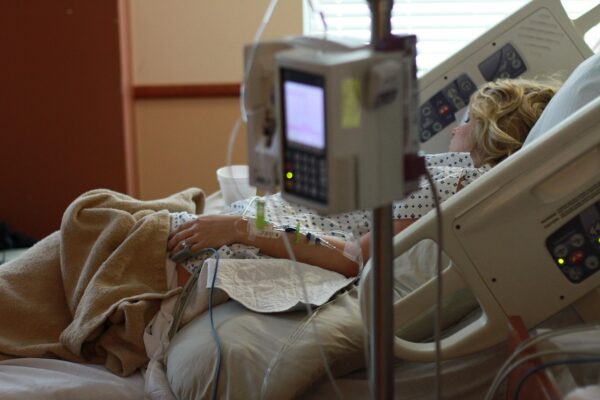
Many people assume that their spouse, parent, or child can automatically make medical decisions on their behalf. In reality, without legal authorization, doctors may not allow family members to make certain choices—or disagreements among relatives could lead to conflicts.
A health care power of attorney ensures that:
- Your wishes are respected in medical treatment, even if you cannot speak.
- Your family is protected from the stress and uncertainty of making decisions without guidance.
- Your care is seamless because your agent can communicate directly with medical providers.
Without this document, decisions about your care could be left to hospital protocols or determined by the courts, leaving your family with little control.
Can You Limit or Customize the Document?
Yes. A health care power of attorney is flexible. You can:
- Limit your agent’s authority to certain types of care.
- Provide specific instructions about treatments you do or do not want.
- State whether you want certain interventions, such as feeding tubes or resuscitation, in particular scenarios.
By tailoring the document, you can strike the right balance between providing your agent with flexibility and ensuring your wishes are honored.
How to Create a Health Care Power of Attorney in Ohio
In Ohio, a valid health care power of attorney must meet certain legal requirements. It must be signed by you and either notarized or witnessed by two qualified individuals. Because the document must comply with state law and integrate with your other estate planning documents, working with an experienced attorney is highly recommended.
At Favret Law, we take the time to:
- Explain the role and responsibilities of a health care agent.
- Help you think through your wishes and values.
- Draft a customized health care power of attorney that reflects your goals.
- Coordinate your medical directives with your will, trust, and financial power of attorney to create a complete plan.
Protecting Yourself and Your Family
Life is unpredictable. A sudden accident, stroke, or serious illness can happen at any age. By preparing a health care power of attorney in advance, you provide clarity, reduce stress for your loved ones, and ensure your medical decisions reflect your values.
This simple yet powerful document is an essential piece of any comprehensive estate plan.